
Pipeline leak detection methods compared
How mass balance, RTTM, statistical and pressure-wave methods differ, and why high-consequence lines pair them with external sensing.

Practical articles on pipeline leak detection, standards, fibre optic sensing and SCADA communications, drawn from the systems we design and deliver.
How internal and external methods compare, what the standards and regulations actually require, and how to combine layers on high-consequence lines.
How mass balance, RTTM, statistical and pressure-wave methods differ, and why high-consequence lines pair them with external sensing.

What each method sees, where each is blind, and when to use both: a side-by-side comparison for pipeline operators.

Two recommended practices and one federal rule, often confused. What each covers, how they fit together and what to evidence.
How distributed fibre sensing works along a pipeline, and what drives the cost of installing it.
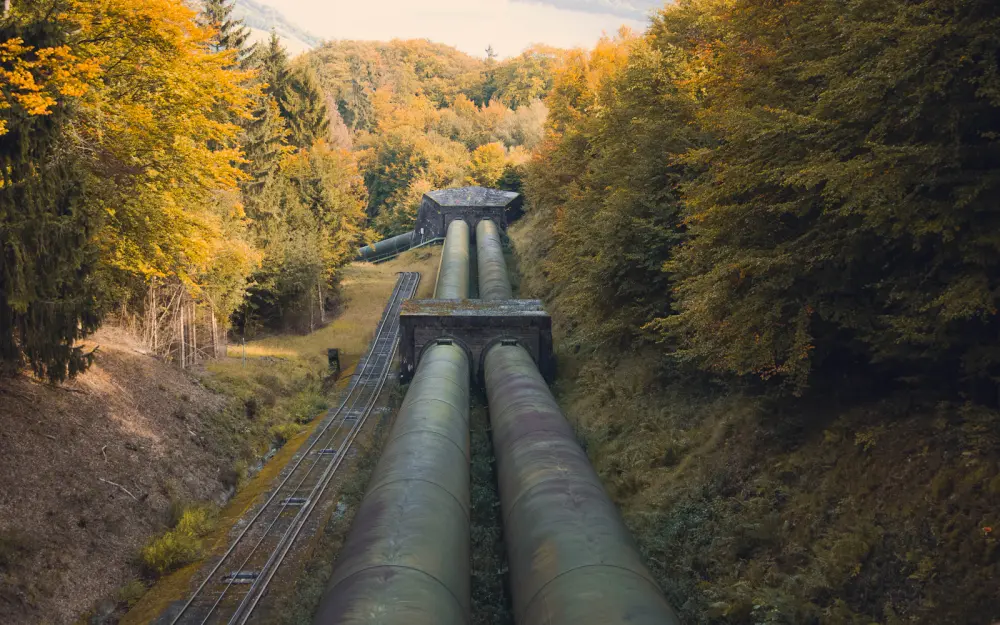
How one optical cable detects digging, leaks, fire and ground movement along a pipeline, and what to check before you install it.
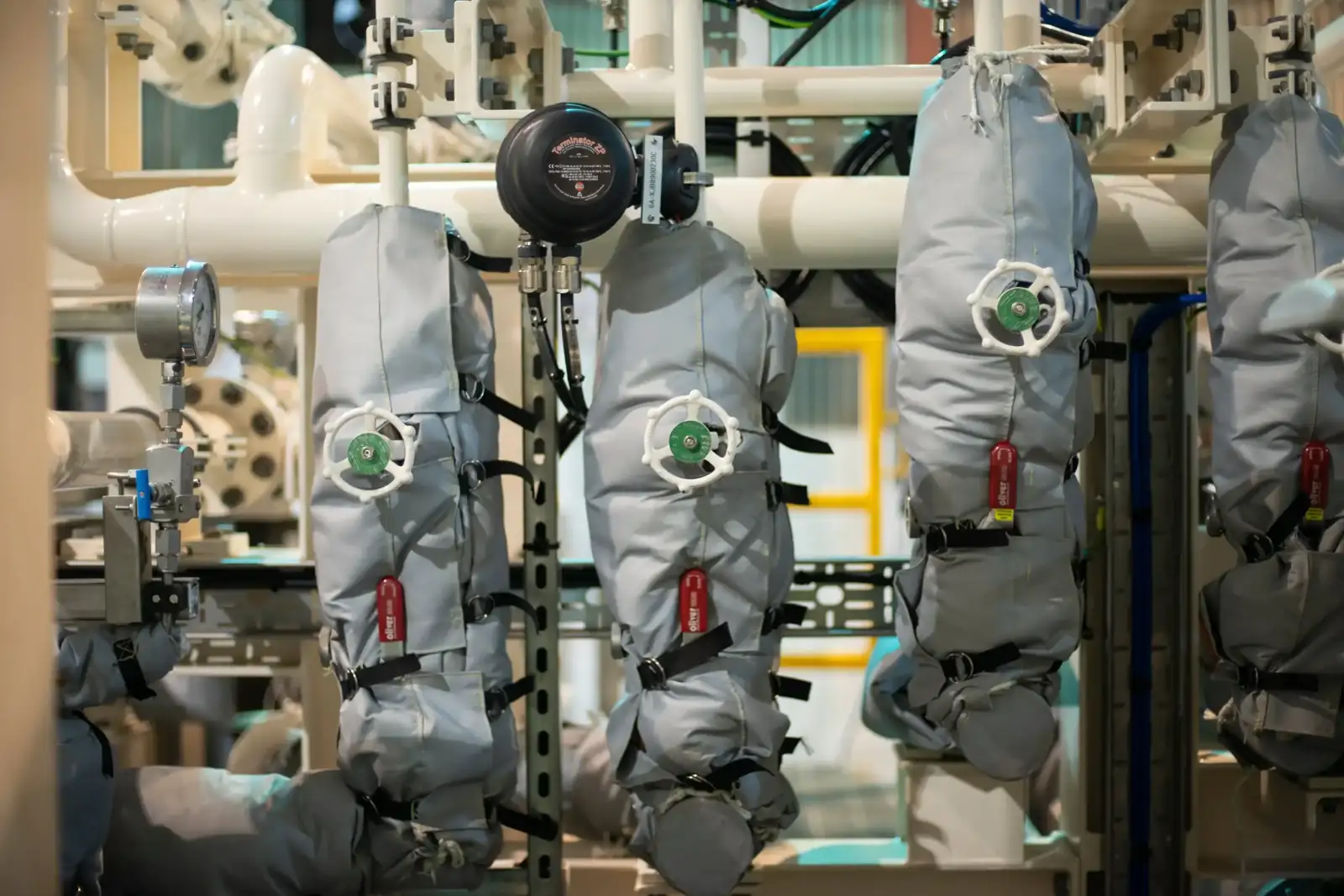
Why a price per kilometre misleads, where the real cost sits, and what to prepare before you ask for a quote.
How to design a resilient SCADA network, and how to choose between SDH, IP/MPLS and radio.
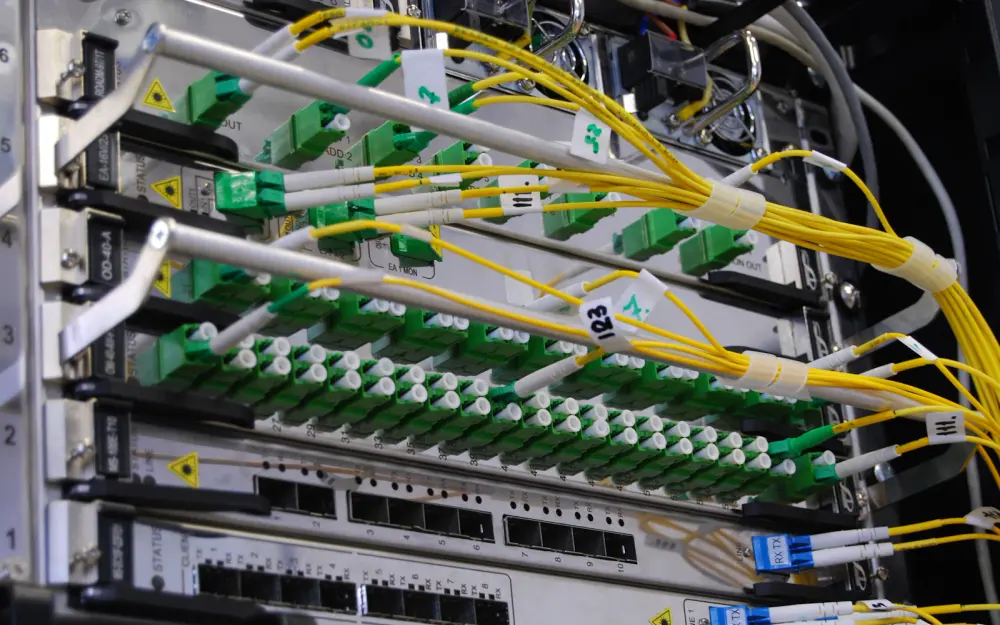
Ring protection, legacy interfaces, teleprotection and radio: lessons from SDH, utility and metro communications projects.
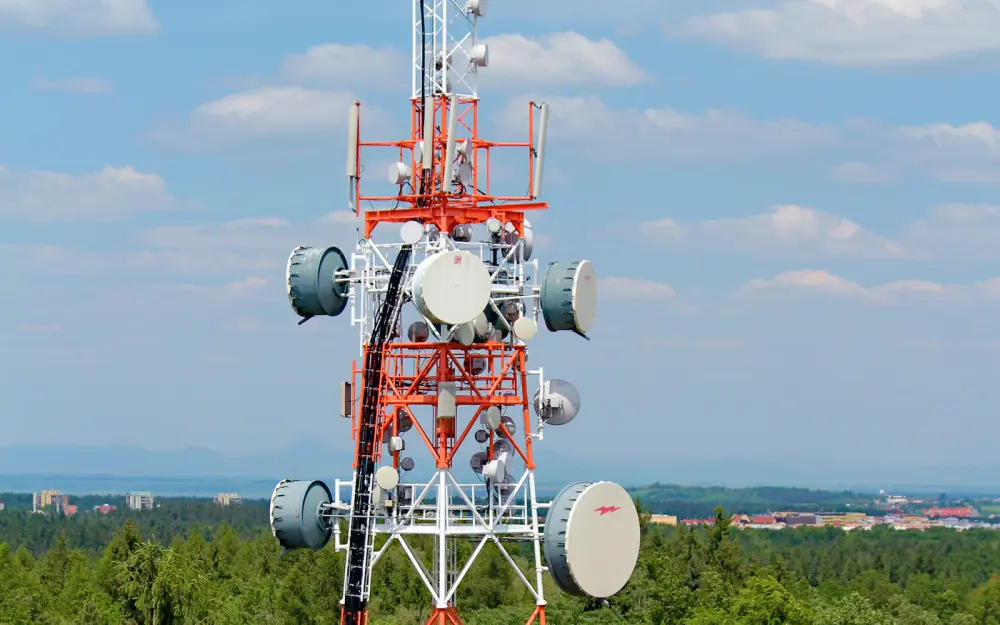
How SDH, IP/MPLS, MPLS-TP and radio compare for SCADA, teleprotection and legacy traffic, and how to migrate safely.

Our team is ready to support your next infrastructure project.