Modbus
Client / serverAn application protocol used over serial links and over TCP/IP.
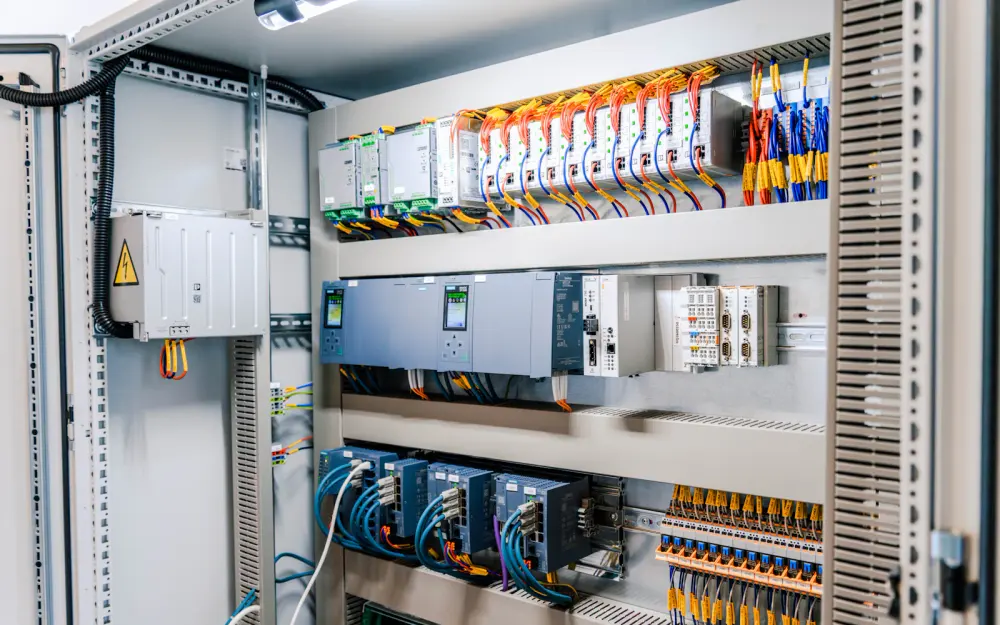
TLE's RTU solutions act as the intelligent bridge between field instrumentation and the control room. Designed for reliability, flexibility, and harsh environmental conditions, our RTUs collect, process, and transmit vital data in real-time — ensuring precise monitoring and control of remote assets.
We offer both standard and custom-configured RTU platforms tailored for oil & gas, utilities, and industrial applications.
An RTU collects, processes and transmits data in real time. Select a topic to see how each of TLE's key features works in practice.
TLE RTUs support multiple protocols (Modbus, DNP3, IEC, OPC), so they fit the SCADA system already in place. These are the families behind those names.
An application protocol used over serial links and over TCP/IP.
An open and public protocol designed for interoperability between substation computers, RTUs, IEDs and master stations. It is used mainly by electric utilities, and also in water, transportation, and oil and gas.
Telecontrol standards for monitoring and controlling geographically spread processes. IEC 60870-5-104 combines the application layer of -101 with TCP/IP transport; security is outside its scope.
A secure, reliable and platform-independent interoperability standard, carrying data from process control devices up to enterprise information systems.
Times are in simulated seconds and show the principle, not a real system. In polling, an event waits for the next poll. DNP3 outstations can be configured for unsolicited responses, sending data when a significant event occurs. Real systems often combine both approaches; this view keeps it to two.
TLE offers both standard and custom-configured RTU platforms, so a unit can match the site rather than the other way round.
Standard RTU platforms, configured for your application.
Custom-configured RTU platforms, tailored for oil & gas, utilities and industrial applications.
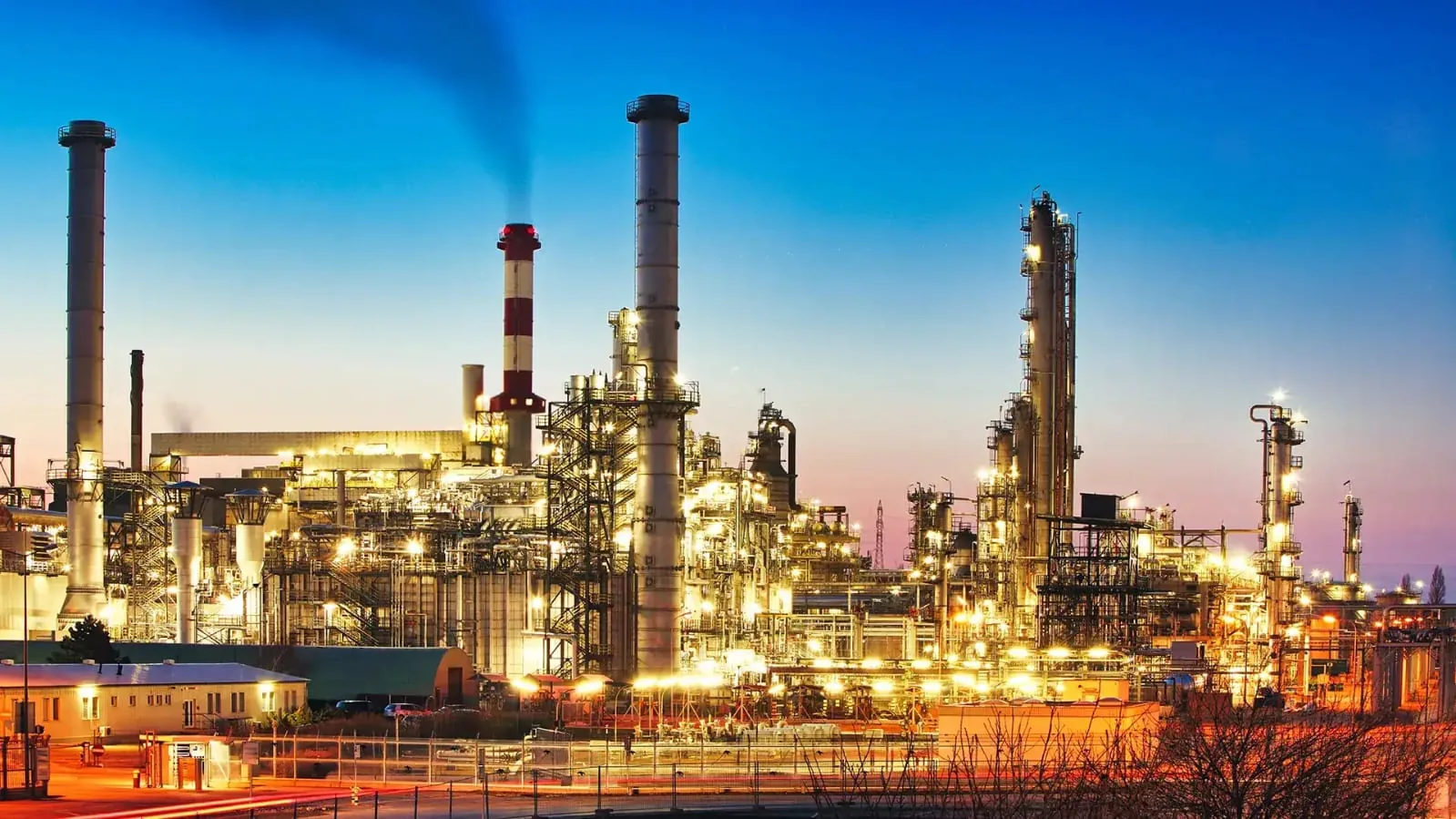
Turnkey internal and external leak detection for 8 refined-product and LPG pipelines, with telecoms, RTUs, instrumentation and SCADA.
Straight answers on what an RTU does, which protocols TLE RTUs speak and how they report to the control room.
An RTU is the intelligent bridge between field instrumentation and the control room. TLE’s RTUs collect, process and transmit data in real time, ensuring precise monitoring and control of remote assets, and are designed for reliability, flexibility and harsh environmental conditions.
It meets the process through inputs and outputs, processes data locally with edge computing, communicates over multiple protocols, secures data with built-in cybersecurity and encryption, supports remote configuration and diagnostics, and is built on modular, scalable hardware.
Modbus, DNP3, IEC 60870-5 and OPC UA, so they fit the SCADA system already in place.
In polling, the master asks at set intervals, so an event waits for the next poll. In report by exception, the RTU reports when something happens. Real systems often combine both approaches.
Yes. TLE offers both standard and custom-configured RTU platforms, tailored for oil and gas, utilities and industrial applications, so a unit can match the site rather than the other way round.
Yes. TLE RTUs integrate with SCADA, PLC and FOS, with remote configuration and diagnostics.
Connect with our technical specialists today to design a system that fits your operational vision.